When you have been holding everything together for years, survival mode can start to feel like your normal. You keep going, you cope, you push through, and you tell yourself you will feel better when the next thing is sorted. A bit more time. A bit more money. A bit more control. A bit more “together”.
But sometimes, the moment life finally becomes safer, your body and mind catch up with everything you have been carrying.
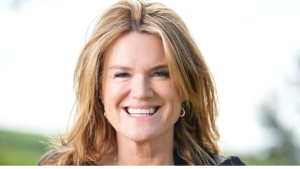
In this episode of Riding the Trauma Train, Lydia is joined by her long-time friend Jen Bailey Hobbs to talk about healing, nervous system regulation, and the slow shift from surviving to truly living. Jen shares her personal journey through single parenthood, years of chronic stress, major surgeries, and a period of severe depression and anxiety that forced her to stop. She also shares the practical tools that helped her rebuild her wellbeing through mind, body, and spirit.
Gentle content note: This post includes discussion of depression, anxiety and panic symptoms, insomnia, and body and weight experiences. Please take care as you read and pause if you need to.
When “Fight or Flight” Becomes a Lifestyle
Jen describes how her survival mode began around 20 years ago, when she suddenly became a single parent to two young children. Like many people in that position, she moved straight into provider mode. She was trying to be everything, for everyone, all at once.
Over the years, that pressure built. Jen experienced multiple major spinal surgeries, continued working full time, and kept pushing through without fully recognising the toll it was taking physically and emotionally. Her weight increased, but so did the internal load she was carrying.
One of the themes Jen returns to is how easy it is to live from the mind and miss the actual journey. She describes the familiar “I’ll be happy when…” mindset:
- I’ll be happy when I lose weight
- I’ll be happy when I get promoted
- I’ll be happy when life calms down
The problem is that life does not always calm down, and even when it does, your nervous system might not know how to.
When Everything Looks Fine But You Feel Anything But
Jen shares that in 2013 she met the man of her dreams, her children were thriving, and she had just been promoted at work. On the outside, it looked like everything was finally in place.
And yet, she woke up crying every day. She could not sleep. She felt deeply sad, and it was difficult to share that sadness because, outwardly, she looked like she was doing well.
A doctor said something that became a turning point in Jen’s healing. After years of being in fight or flight, her system had finally reached a safe enough place to start healing.
For Jen, that healing began with a collapse. She took nine months away from work and describes how unwell she became, including intense anxiety and panic responses.
It is a reminder that sometimes what looks like falling apart is actually your body and mind asking for care.
Why Mindfulness Can Feel Hard at First
Jen was determined to find solutions. She is a problem solver, and she approached her mental health the same way: What do I need to do? What will fix this?
She was introduced to mindfulness, and while it fascinated her, it also challenged her. Like many people who have spent years living in their head, being in the moment felt unfamiliar.
Then she tried meditation and found it made her more anxious. She expected to feel calm and “zen”, and when her mind kept racing, she felt like she was doing it wrong.
This is such a common experience, especially for people with high stress levels, trauma histories, or anxious thinking patterns.
The important point Jen makes is this: learning to slow down is a process. You are not failing if stillness feels difficult. Sometimes your nervous system needs a bridge.
For Jen, that bridge was breathwork.
Breathwork as a Nervous System Tool
Jen describes breathwork as the catalyst that helped everything else fall into place. We breathe every day, but many people breathe in a way that keeps the body under stress, often through the mouth and into the upper chest and shoulders.
Jen explains that slowing the breath, especially by breathing through the nose and taking the breath down into the body, can support nervous system regulation.
In simple terms, a calmer breath can help your system shift out of constant fight or flight and into a more restorative state, often described as “rest and digest”.
One practical technique Jen shares is simple and accessible:
- Breathe in through the nose for a count of 4
- Breathe out for a count of 6
- Repeat for 1 to 3 minutes
That slightly longer exhale can be particularly soothing because it encourages the whole system to slow down. Even doing this for a minute can create a noticeable shift, especially if you are feeling overwhelmed.
Jen also talks about body scans as a powerful way to reconnect mind and body. Slowly noticing the sensations in your face, jaw, throat, chest, and down through the body can help you come out of your thoughts and into your internal world.
Cold Water Therapy and Learning Safety in Discomfort
Lydia asks Jen about cold plunging and why breathwork matters so much when you step into cold water.
Jen explains that cold exposure can trigger a quick stress response. Your nervous system essentially says: get out, this is not safe.
This is where breath becomes essential. When you can control your breathing, you can reassure your nervous system and teach it something new.
You learn that discomfort does not always equal danger.
Jen speaks about almost having a relationship with her nervous system, thanking it for trying to protect her, while also guiding it back to safety.
This is a powerful trauma-informed perspective: the nervous system is not the enemy. It is doing its best to keep you alive.
Jen shares that cold water can feel like a natural and accessible way to support mood and resilience. She also offers a grounded reminder that you do not need fancy equipment to begin.
- Finish your shower with 30 to 60 seconds of cooler water
- Place hands or feet in cold water
- Build up gradually, rather than forcing yourself
The aim is not to “push through” at all costs. The aim is to stay present, breathe, and build trust in your body.
Anxiety, Overwhelm and the Night-Time Spiral
Jen talks openly about her experience of anxiety, including what she calls night anxiety.
For her, evenings could bring a wave of dread because she expected another sleepless night. That anticipatory fear can become a cycle in itself, and many people will recognise how intense thoughts can feel in the early hours.
Jen offers tools that can help bring you back to the present. Anxiety often pulls us into the future, worrying about what might happen. Low mood can pull us into the past.
The moment you are in now is the place you can anchor.
One of the most practical strategies Jen shares is grounding through the senses:
- What can I see?
- What can I hear?
- What can I touch?
- What can I smell?
- What can I taste?
When you notice your senses, you bring yourself into the present, and that can help settle panic and overwhelm. Pairing this with slow breathing can be a simple, supportive combination.
“It’s Not About the Loss. It’s About the Gains.”
Jen and Lydia also reflect on weight loss and how their journeys have been about far more than the number on the scales.
They talk about the emotional and mental weight they were carrying, as well as the physical.
Jen’s perspective is clear and compassionate: it is not about being skinny. It is about being strong. It is about longevity, movement, and having the strength to live the life you want to live.
She speaks about being able to pick up her granddaughter, move confidently, and build a body that supports her for the long term.
She also shares honestly that the journey is not always easy. Food noise can still exist. Motivation can still fluctuate.
But she now has a toolkit that helps her stay consistent, and she has learnt that self-love is the foundation of sustainable change.
Seedlings: Creating Environments That Nurture Growth
Jen now runs Seedlings Retreats and Holidays in West Wales, offering healing spaces that include meditation, breathwork, Reiki, and contrast therapy. She also hosts retreats in Italy.
The name “Seedlings” reflects what she wanted to create: environments that nurture growth.
Jen also speaks about community and mentorship. She loves supporting people at the beginning of their wellbeing journey and watching them grow in confidence and capability.
For her, it is not just about offering a service. It is about helping people reconnect to themselves.
And as a final reminder, she shares something that anyone in caring roles needs to hear: boundaries matter.
In Jen’s words, no one likes a tired healer. To support others, you have to protect your own wellbeing too.
A Gentle Starting Point
If you are feeling overwhelmed and do not know where to begin, Jen’s message is reassuring.
Start small. Your nervous system learns through repetition, not perfection.
Here are a few tiny steps inspired by this episode:
- One minute of breathing in for 4 and out for 6
- A quick sensory check-in when you feel stress rising
- A short body scan to reconnect with your body
- A gentle cool shower finish, if it feels safe for you
You do not have to do everything at once. One small choice, repeated, can be the beginning of change.
If this episode resonated, share it with someone who might need it too.
And if you try one of the tools Jen mentions, especially breathwork, DM Lydia and let her know what you noticed.
You do not have to travel this journey alone.